
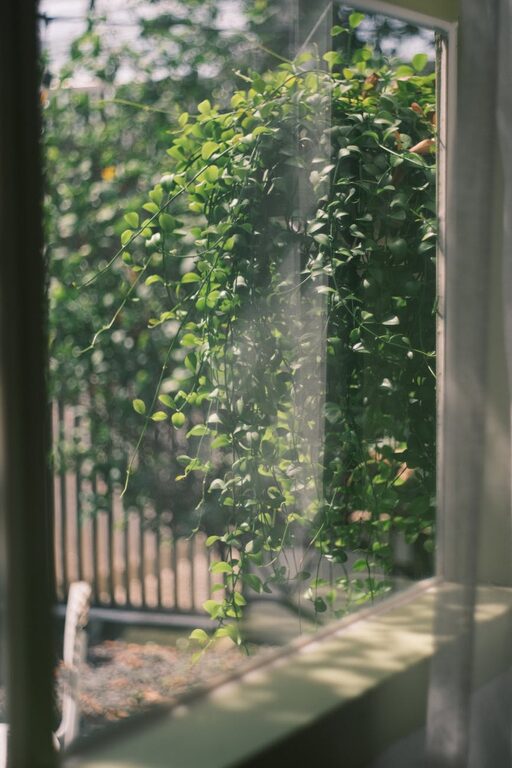
Creating a relaxing garden space at home is a wonderful way to bring a sense of calm and enjoyment to your daily life. A well-designed garden can provide a peaceful escape from the hustle and bustle, offering a place for reflection, reading, or simply enjoying the outdoors. Whether you have a large garden or a small balcony, there are plenty of ways to create a soothing environment tailored to your needs. Here are some helpful tips to get you started.
Plan Your Garden Layout with Relaxation in Mind
Before planting or purchasing furniture, take some time to design your garden’s layout thoughtfully. Consider how you want to use the space and what will make you feel most relaxed.
– Choose a quiet corner: Select an area that is sheltered from noise and distractions, perhaps a corner near a fence or wall.
– Create zones: Divide your garden into different areas, such as a seating zone, a small lawn, or a flower bed. This helps to keep the space organised and purposeful.
– Paths and walkways: Adding paths using gravel, stepping stones, or wooden decking can invite gentle movement and exploration, which can be soothing.
Select Plants That Promote Calmness
Plants play a major role in turning your garden into a peaceful sanctuary. Choose varieties that not only look beautiful but also contribute to a tranquil atmosphere.
Soothing Colours and Textures
Soft greens, blues, and purples are known for their calming effects. Lavender, hydrangeas, and bluebells are excellent choices. Combining fine textures (like ornamental grasses) with broader leaves (such as hostas) creates visual interest without being overwhelming.
Fragrant Plants
Certain plants emit gentle aromas that can reduce stress and improve mood. Lavender, jasmine, gardenias, and lemon balm are great examples. Position these near seating areas so you can enjoy their scent.
Low-Maintenance Plants
For a relaxing garden, low-maintenance plants reduce the pressure of constant upkeep. Succulents, ferns, and native wildflowers often require less water and care, allowing you to enjoy the space without added work.
Create Comfortable Seating Areas
No relaxing garden is complete without a comfy spot to sit and unwind.
– Choose the right furniture: Weather-resistant benches, hammocks, or cushioned chairs provide comfortable seating. Consider materials like wood or rattan for a natural feel.
– Add cushions and throws: Soft textiles add comfort and warmth, especially for cooler evenings.
– Shade options: Use umbrellas, pergolas, or even climbing plants like wisteria to create shade, which adds to comfort and encourages longer stays outside.
Introduce Water Features for Serenity
The sound of water can be very calming and mask unwanted noises from the neighbourhood.
– Small fountains or birdbaths: These can be compact yet effective ways to add gentle water sounds.
– Ponds: If space allows, a small pond with floating lilies or aquatic plants can attract wildlife, enhancing the sense of tranquillity.
– DIY water features: Even a simple recycled container with a trickling water pump can create a soothing splash.
Use Lighting to Enhance Mood and Safety
Proper lighting extends garden use into the evening and adds a cosy atmosphere.
– Soft, warm lights: Fairy lights, lanterns, and solar-powered lamps provide gentle illumination without being harsh.
– Pathway lighting: This helps safely guide movement and highlights garden features.
– Candles and citronella lamps: Great for summer evenings; they add charm and help keep insects away.
Incorporate Natural Elements and Accessories
Bringing in additional natural touches and thoughtful accessories can deepen the relaxing vibe.
– Natural materials: Use stone, wood, bamboo, or terracotta pots to enhance the organic feel.
– Wind chimes: The gentle tinkling adds a peaceful auditory element.
– Garden sculptures or art: Choose low-key pieces that complement the surroundings without dominating the space.
– Bird feeders: Welcoming birds adds life and a connection to nature that many find soothing.
Keep the Space Tidy But Lived-In
While clutter-free spaces tend to feel more relaxing, a garden that feels too stiff may seem unwelcoming.
– Regular maintenance: Keep plants healthy and paths clear, but avoid over-pruning which can make a garden feel stark.
– Personal touches: Display favourite books, a mug for tea, or a cozy blanket. These small details encourage you to spend time there.
– Storage solutions: Neatly store tools and garden supplies out of sight.
Engage the Senses
A garden that appeals to multiple senses can increase feelings of wellbeing and relaxation.
– Sight: Varied plant colours and textures, gentle movement in the breeze.
– Smell: Fragrant flowers and herbs.
– Sound: Water features, birdsong, rustling leaves.
– Touch: Soft petals, mossy stones, warm cushions.
– Taste: Consider herbs or fruit bushes for a small edible element.
Final Thoughts
Transforming your garden into a relaxing space doesn’t require a huge budget or a large area. Thoughtful planning, choosing the right plants, comfortable seating, and soothing additions like water features and lighting can create a personal haven. Spend some time observing how you naturally use the space and adjust it to suit your tastes and needs. With patience and attention, your garden can become a daily source of peace and enjoyment. Happy gardening!