
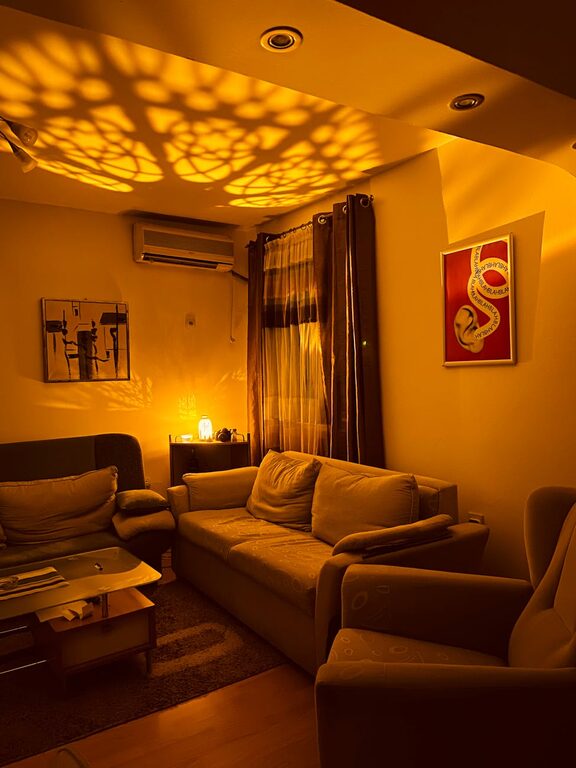
Creating a cosy and inviting living room is something many homeowners dream of. It’s the heart of the home—a place to relax, entertain, and share special moments. Whether you’re working with a small flat or a spacious house, a few thoughtful touches can turn your living room into a snug retreat that welcomes everyone.
In this guide, we’ll explore practical tips to help you design a space that feels warm and inviting, using simple techniques and accessible ideas.
Choose Warm and Soothing Colours
Colour plays a huge role in the overall mood of your living space. Warm shades like soft beiges, gentle creams, muted greys, or pastel tones create a calming atmosphere. You can also add touches of deeper colours such as navy, forest green, or rich burgundy through accent pieces like cushions or rugs to add depth without overwhelming the space.
Tip: Avoid stark whites and overly bright colours if you’re aiming for cosiness. Instead, opt for shades that feel restful and true to your personality.
Layer Your Lighting
Lighting is key to setting the right ambiance. Instead of relying on one overhead light, think about layering your lighting sources:
– Ambient lighting: Ceiling fixtures or lamps that provide general light.
– Task lighting: Reading lamps or floor lamps for specific activities.
– Accent lighting: Candles, fairy lights, or dimmable lamps that provide warmth and mood.
Using dimmers or bulbs with warm light temperatures can instantly make your living room feel more inviting. Avoid harsh, fluorescent lighting which can feel cold and unwelcoming.
Add Soft Textiles for Comfort
Soft textiles introduce texture and comfort, crucial for a cosy space. Consider:
– Plush cushions in a variety of fabrics such as velvet, linen, or knitted wool.
– Thick throws or blankets draped casually over sofas or armchairs.
– A soft area rug that complements your colour scheme and adds warmth to the floor.
These elements not only make the living room more comfortable but also add visual interest and layers to your decor.
Embrace Natural Elements
Bringing nature indoors adds freshness and creates a calming environment. You can do this by:
– Adding houseplants or succulents to windowsills or shelves.
– Using wooden furniture or accessories to lend warmth and texture.
– Displaying natural materials like woven baskets, stone ornaments, or dried flowers.
Natural elements help improve air quality and contribute to a sense of well-being in your living space.
Create a Comfortable Seating Arrangement
How you arrange your furniture influences how welcoming your living room feels. Aim to design a seating area that encourages relaxation and easy conversation:
– Position sofas and chairs to face each other or the room’s focal point, such as a fireplace or TV.
– Avoid overcrowding by leaving enough space to move around comfortably.
– Add extra seating options, like poufs or stools, that can be moved easily when guests arrive.
Comfortable seating with plenty of cushions and soft upholstery invites people to settle in and stay awhile.
Incorporate Personal Touches and Art
A space feels truly inviting when it reflects your personality. Showcase family photos, artwork, or travel souvenirs that tell a story and add character to your living room.
– Hang framed prints or paintings on the walls.
– Use decorative objects that have sentimental value.
– Build a bookshelf with books you love and small keepsakes.
These personal touches make your living room feel lived-in and welcoming to guests.
Keep Clutter to a Minimum
A tidy living space feels more calming and inviting. Too much clutter can disrupt the sense of coziness and relaxation.
– Use storage solutions like baskets, ottomans with storage, or side tables with drawers.
– Regularly declutter surfaces, shelves, and floors.
– Implement a system for organising cables and tech accessories neatly.
A clutter-free room allows your cosy elements to shine and helps everyone feel more at ease.
Consider Scent and Sound
The sensory experience in your living room adds to its atmosphere. Pleasant scents and gentle sounds can make your space relaxing and inviting.
– Use scented candles, essential oil diffusers, or potpourri with subtle fragrances like lavender, vanilla, or sandalwood.
– Play soft background music or nature sounds during social gatherings or quiet evenings.
– Avoid loud or harsh noises that can become stressful over time.
Creating a peaceful sensory environment completes the cosy living room experience.
—
By mixing soft textures, warm colours, thoughtful lighting, and your own personal style, you can build a living room that feels like a warm hug after a long day. Start small—perhaps with new cushions or a couple of plants—and gradually make changes that work for you and your family. A cosy, inviting living room isn’t about perfection; it’s about creating a space where everyone feels comfortable and welcome.