
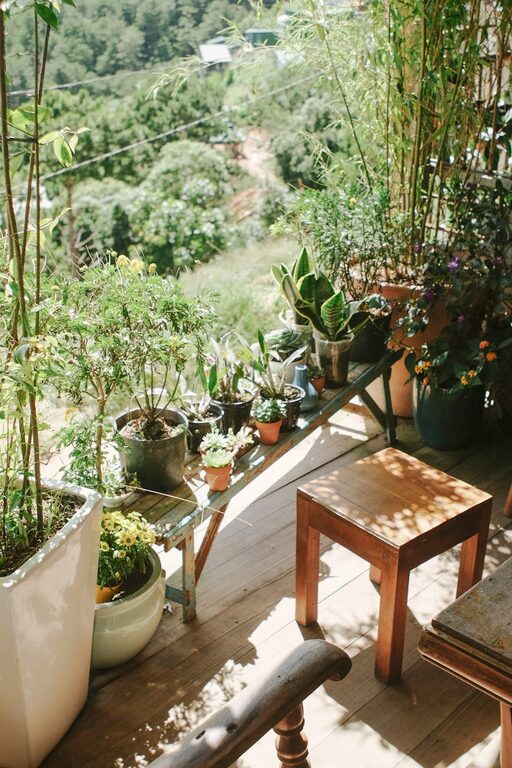
Creating a relaxing garden space at home is a wonderful way to unwind, connect with nature, and enjoy some quiet time away from daily stresses. Whether you have a sprawling backyard or a small balcony garden, you can design an inviting outdoor area that feels peaceful and rejuvenating. In this post, we’ll explore practical and straightforward tips to help you create a garden that promotes relaxation and well-being.
1. Choose Comfortable Seating
The foundation of a relaxing garden space is comfortable seating where you can sit back and enjoy your surroundings. Depending on the size of your garden and your personal style, consider options such as:
– A cosy bench nestled under a tree or near flower beds
– A small bistro set for morning tea or casual meals
– A hammock or swinging chair for gentle rocking and comfort
– Padded garden lounge chairs or outdoor sofas with cushions for long relaxation sessions
Investing in comfortable, weather-resistant cushions and throws can make a big difference in transforming your garden seating into a welcoming retreat.
2. Incorporate Natural Elements
Bringing natural elements into your garden space enhances its calming effect. Think about:
– Plants and greenery: Choose a mix of shrubs, perennials, and flowering plants that appeal to your senses. Scented plants like lavender, rosemary, or jasmine add restful aromas.
– Water features: Small fountains, birdbaths, or ponds create soothing water sounds that help to mask urban noise and promote tranquility.
– Natural materials: Use wood, stone, or bamboo for furniture, pathways, or garden ornaments to keep the environment organic and grounding.
By surrounding yourself with natural elements, you create a space that feels balanced and peaceful.
3. Add Shade and Shelter
Having some shaded areas in your garden will make it comfortable throughout the day. Consider:
– Planting deciduous trees that offer summer shade while allowing winter sunlight through
– Using a pergola, gazebo, or garden umbrella to create shady spots
– Installing a retractable awning or shade sails
Shade not only protects you from harsh sun but also helps in creating a cool retreat during warmer months.
4. Use Soft Lighting
Ambient lighting extends the usability of your garden into the evening and adds to the relaxed atmosphere. Ideas include:
– Solar-powered lanterns placed along pathways or around seating areas
– Fairy lights woven through trees or shrubs
– Candles or tealight holders on tables (safely enclosed to prevent fire hazards)
– Low voltage garden lamps to highlight plants or features
Soft, warm lighting makes your garden inviting and calm as daylight fades.
5. Create Privacy
Privacy allows you to unwind without feeling observed or disturbed. If your garden is overlooked or close to neighbours, try these solutions:
– Planting tall hedges, bamboo, or climbing vines on fences or trellises
– Using outdoor screens or decorative panels
– Arranging seating away from busy areas or roads
These measures help to create a sense of seclusion and safety.
6. Incorporate Personal Touches
Make your garden a reflection of your taste and personality. This could involve:
– Adding garden ornaments or sculptures that you love
– Displaying pots or containers with your favourite plants
– Hanging wind chimes that produce gentle sounds
– Using colourful cushions, rugs, or throws to enliven seating areas
Personal touches make your garden uniquely comforting.
7. Keep the Space Tidy and Well-Maintained
A cluttered or overgrown garden can feel stressful rather than relaxing. Regularly:
– Remove weeds and dead leaves
– Prune plants to keep them healthy and tidy
– Keep garden furniture clean and organised
– Store tools and pots neatly
A neat garden encourages peaceful enjoyment.
8. Add Opportunities for Activity or Reflection
Depending on your interests, include elements that invite mindful engagement or movement:
– A small patch for gardening or growing herbs and vegetables
– A meditation nook with cushions or mats
– A bird feeder or butterfly house for wildlife watching
– A small lawn or paved area for yoga or stretching
These features help deepen your connection with the garden space.
Conclusion
Creating a relaxing garden space at home doesn’t have to be complicated or expensive. By focusing on comfort, natural surroundings, privacy, and a little personal flair, you can enjoy a peaceful retreat right outside your door. Remember that your garden is a place for you, so shape it to suit what helps you relax best. With time and care, your relaxing garden will become your favourite spot for rest and rejuvenation.